rush
Year
'24
Duration
2 weeks
Group project
Lenz, Pierre
Lin, Tianqi
How might we help lifeguards to localize and rescue active drowning victims faster?

Our problem statement
How might we assist lifeguards in locating and rescuing drowning victims more quickly and effectively?
Our key drowning research
„With around 236,000 annual fatalities globally, drowning stands as the third leading cause of unintentional injury death.“
World Health Organization (WHO) 2023
„Duration of submersion is the most critical factor in determining outcome; the rate of death or severe neurologic injury is low when submerged
less than five minutes.“
Chandy, D., & Richards, D. Drowning (submersion injuries)
„The absence of obvious signs makes it all the more dangerous, most people drown quietly“
Chandy, D., & Richards, D. Drowning (submersion injuries)
Design sprint
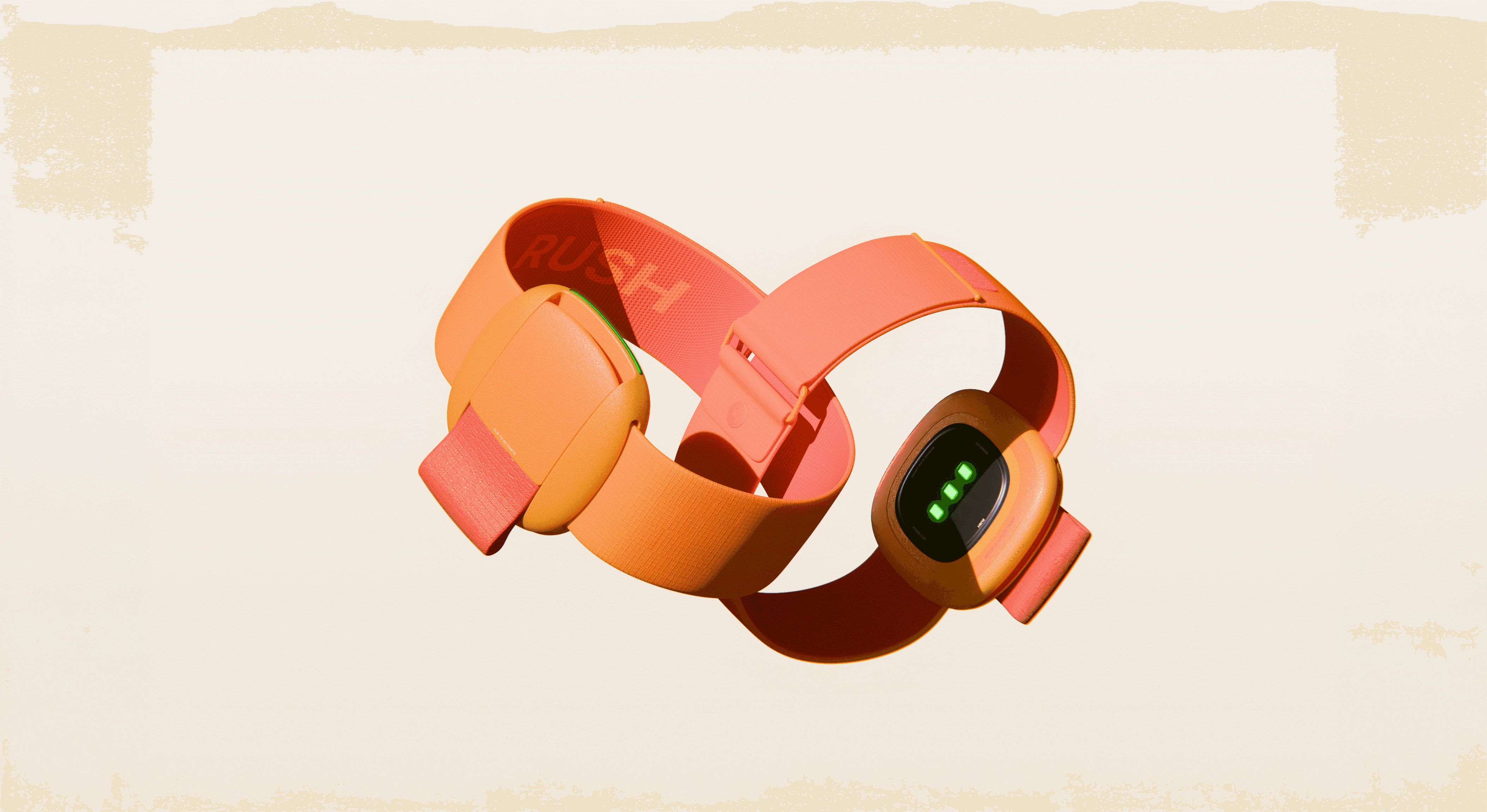
We developed an affordable, sound-based drowning prevention system for supervised beaches. Through rapid prototyping, from cardboard models to 3D-printed Arduino prototypes with aquatic soft-switches, we created an accessible device. Pool testing showed that users could locate victims using sound alone.

Rush assists lifeguards to quickly locate and rescue drowning victims
rush
User journey

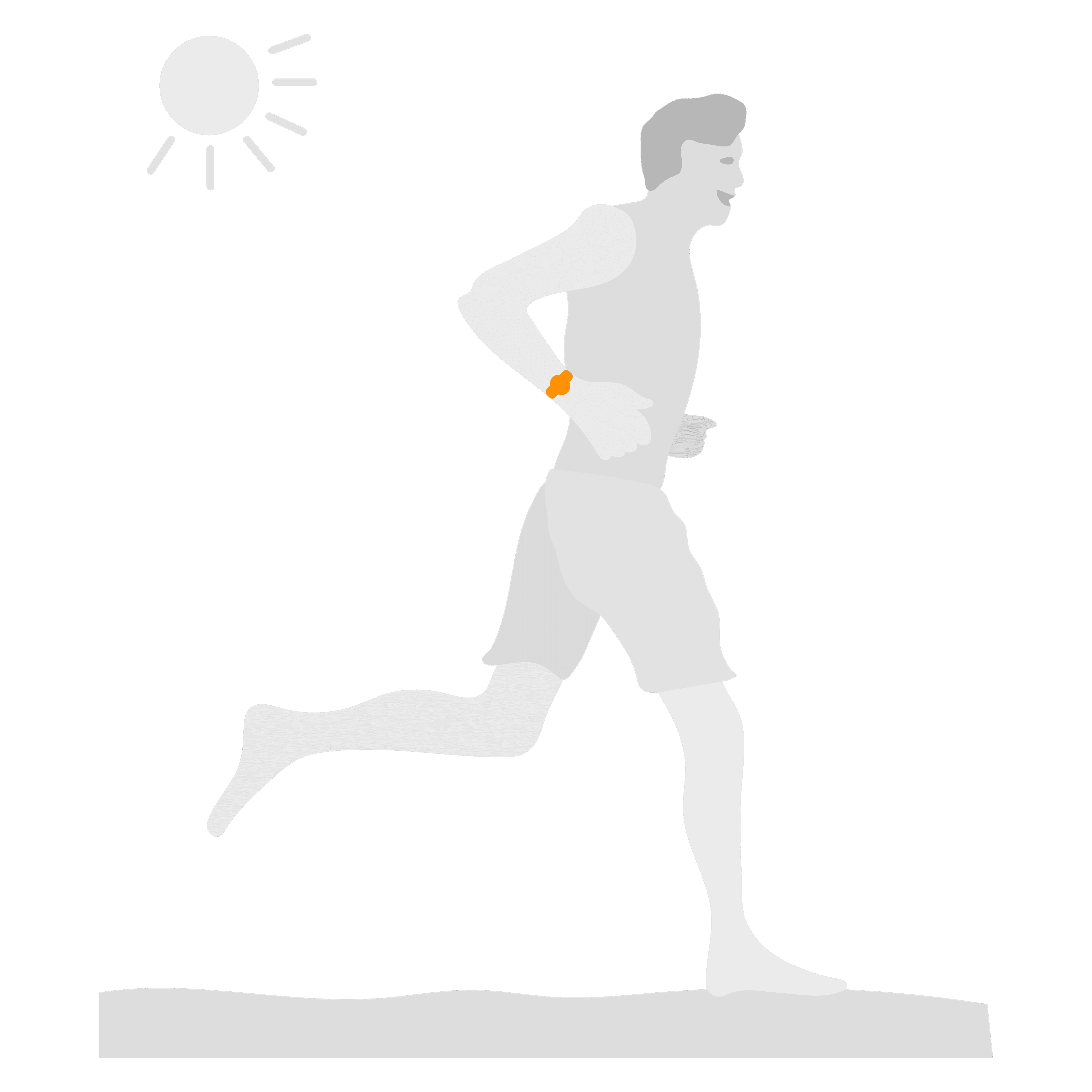
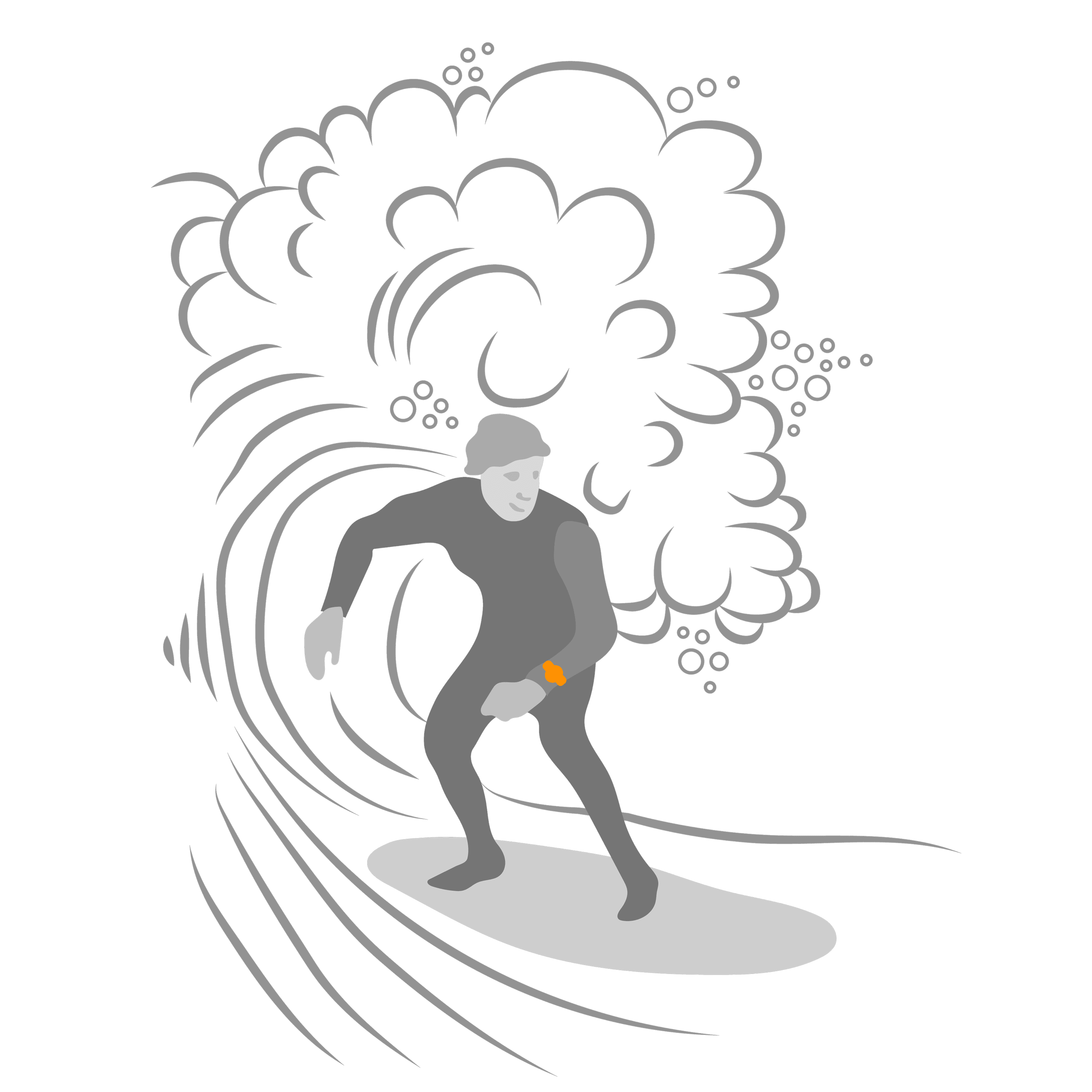
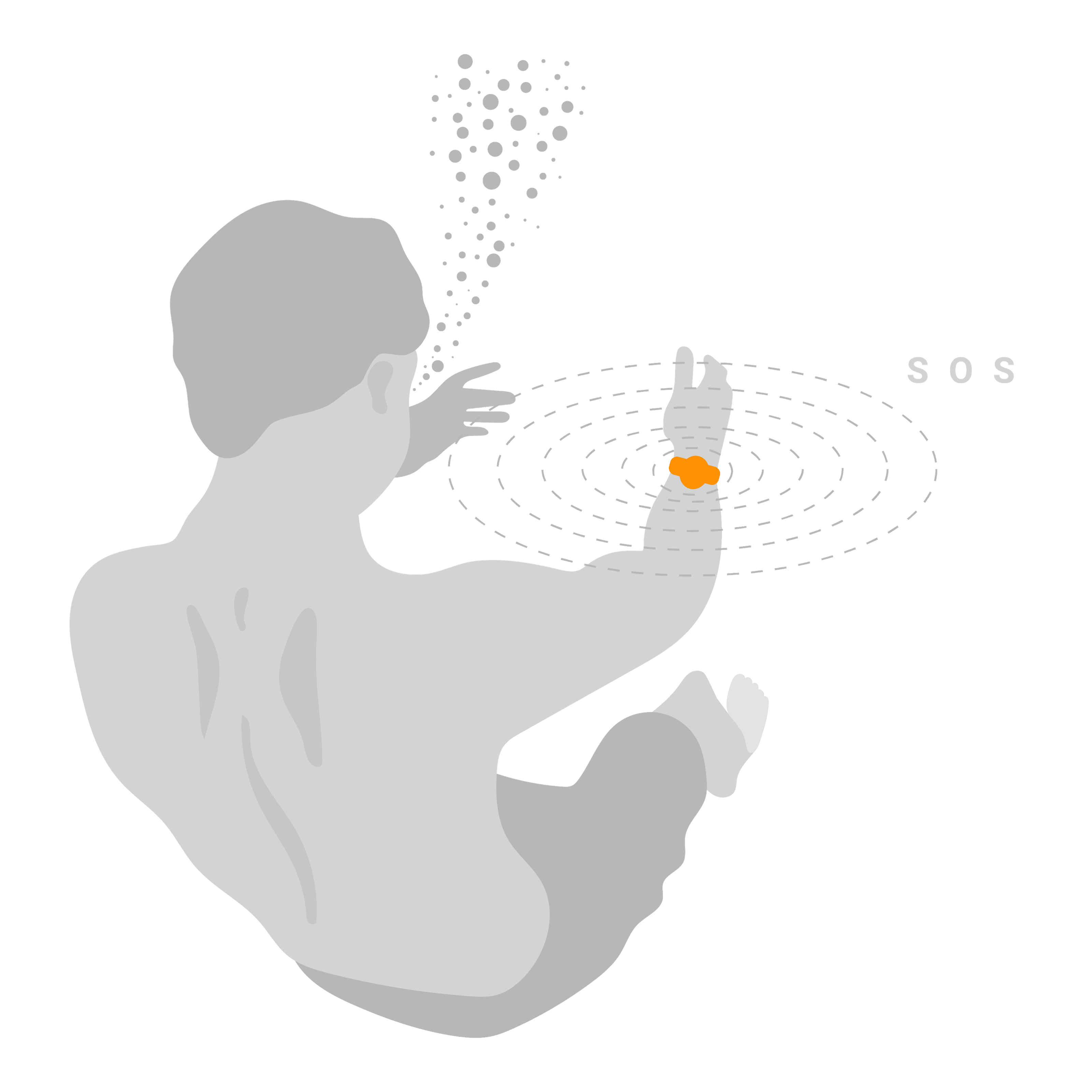
01 Expiation of how to use Rush
02 Easy to wear
03 Aways active when in use
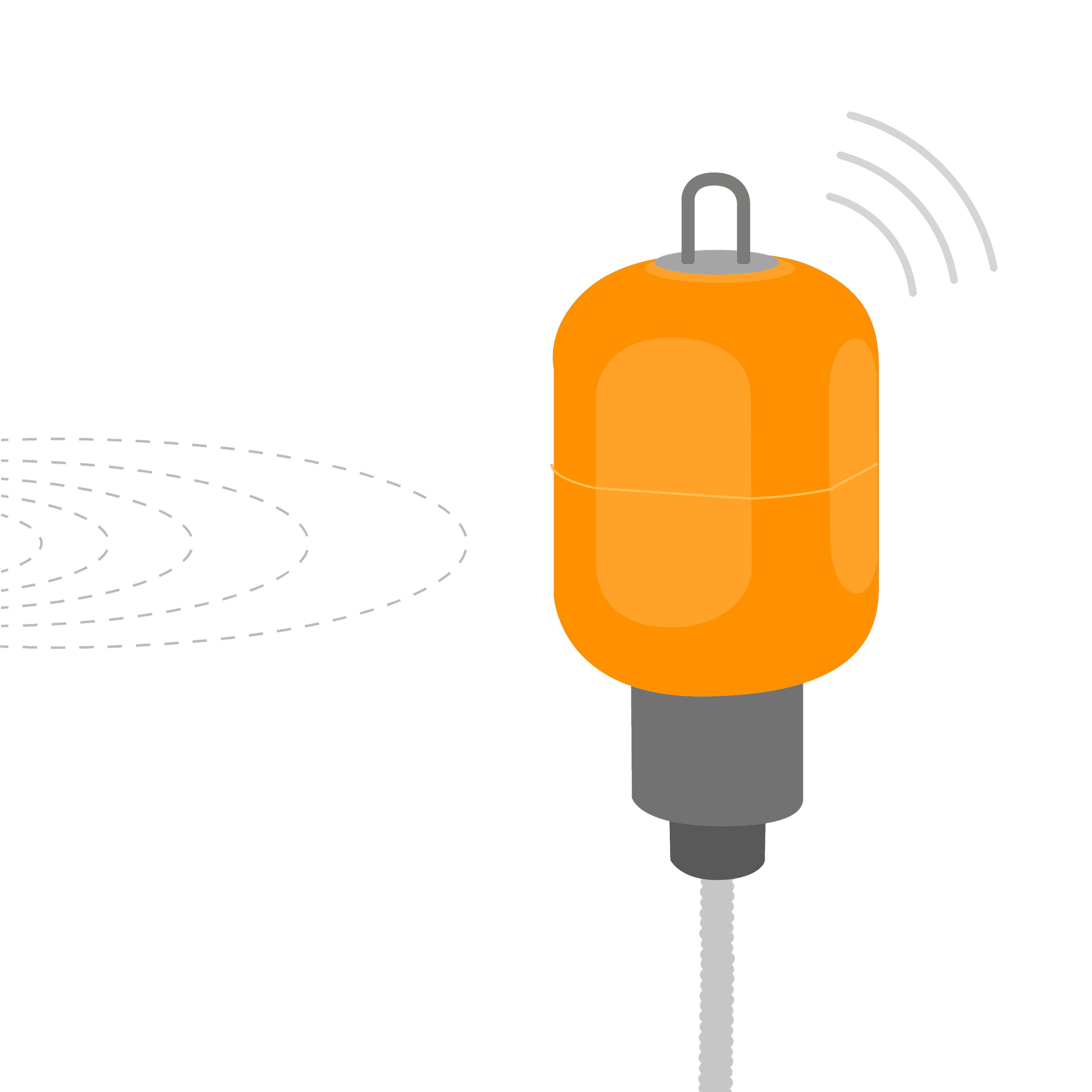
04 Transmitting distress signals
05 Buoy localize distress signal
Swimmer

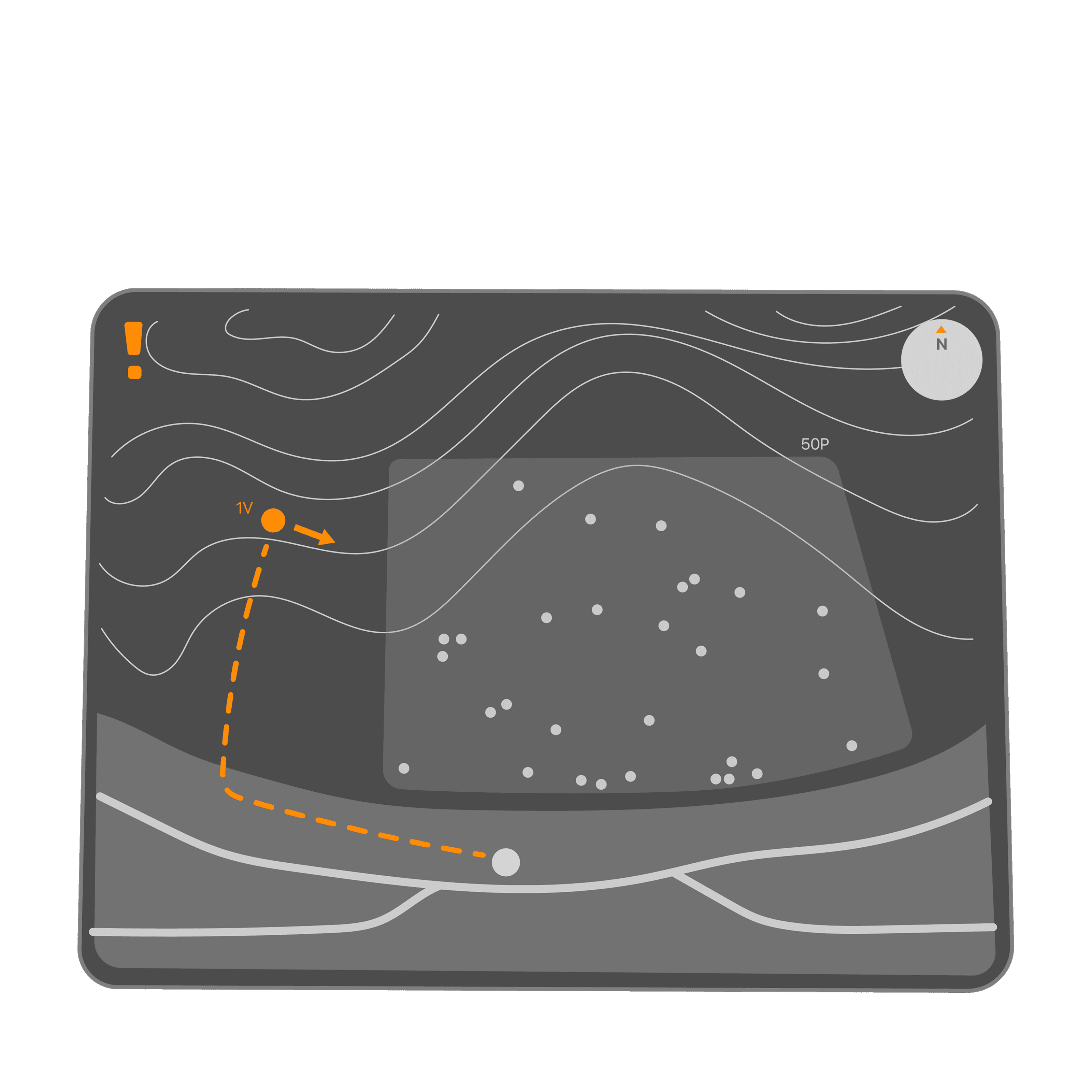

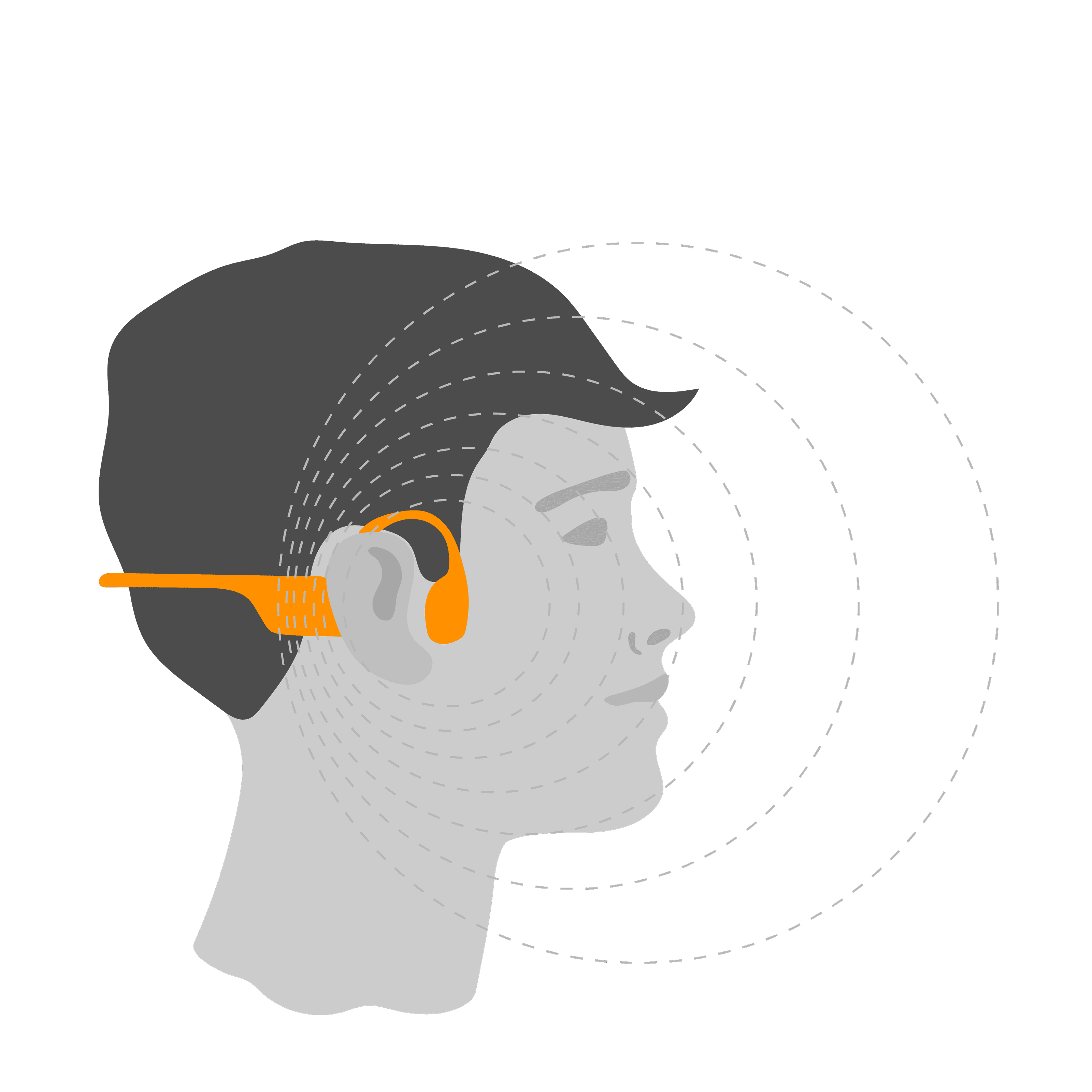
06 Receiving the distress signal
07 Fastest route to the victims signal
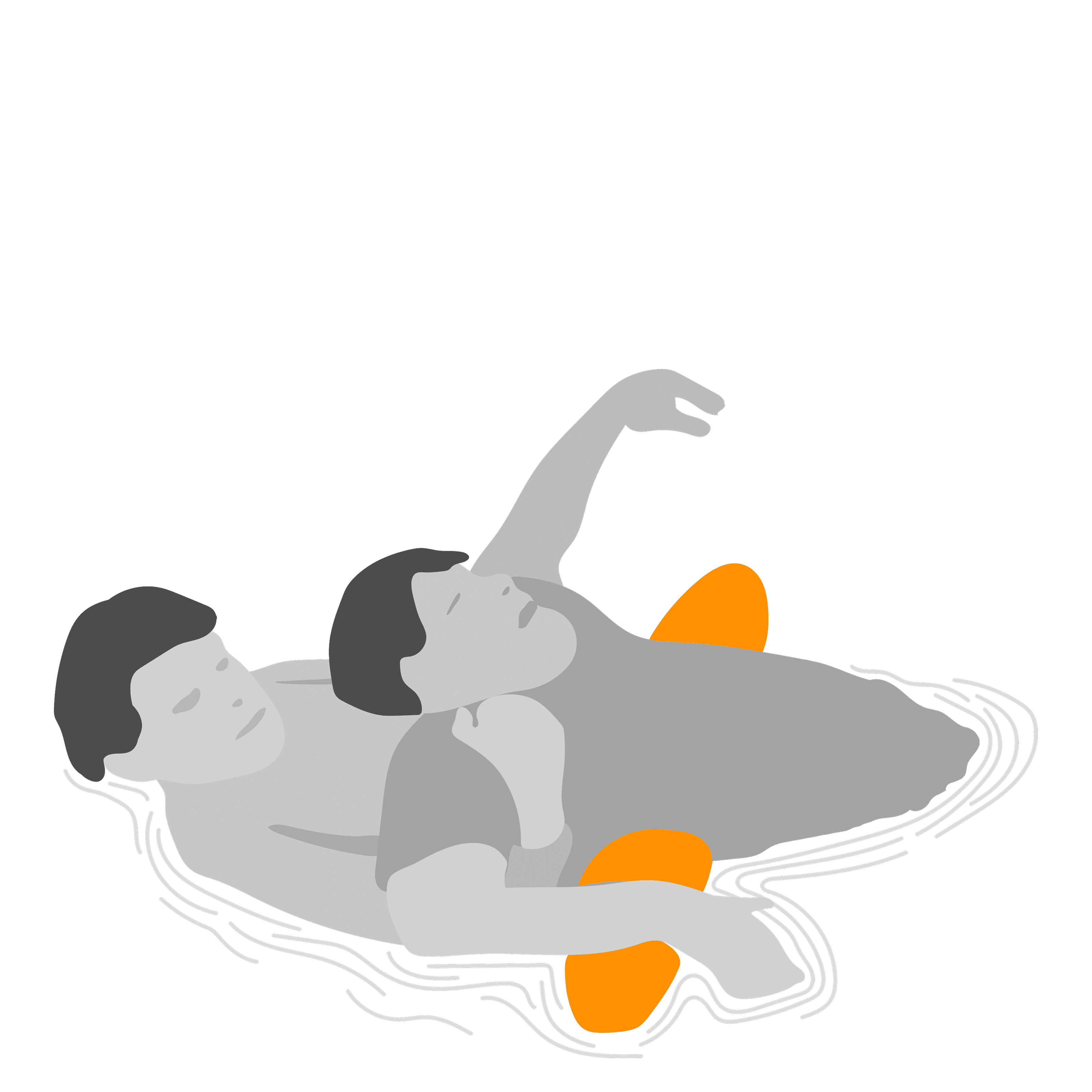
08 Lifeguard is sent out
09 Guidance via sound in the water
10 Saving lives
Lifeguard
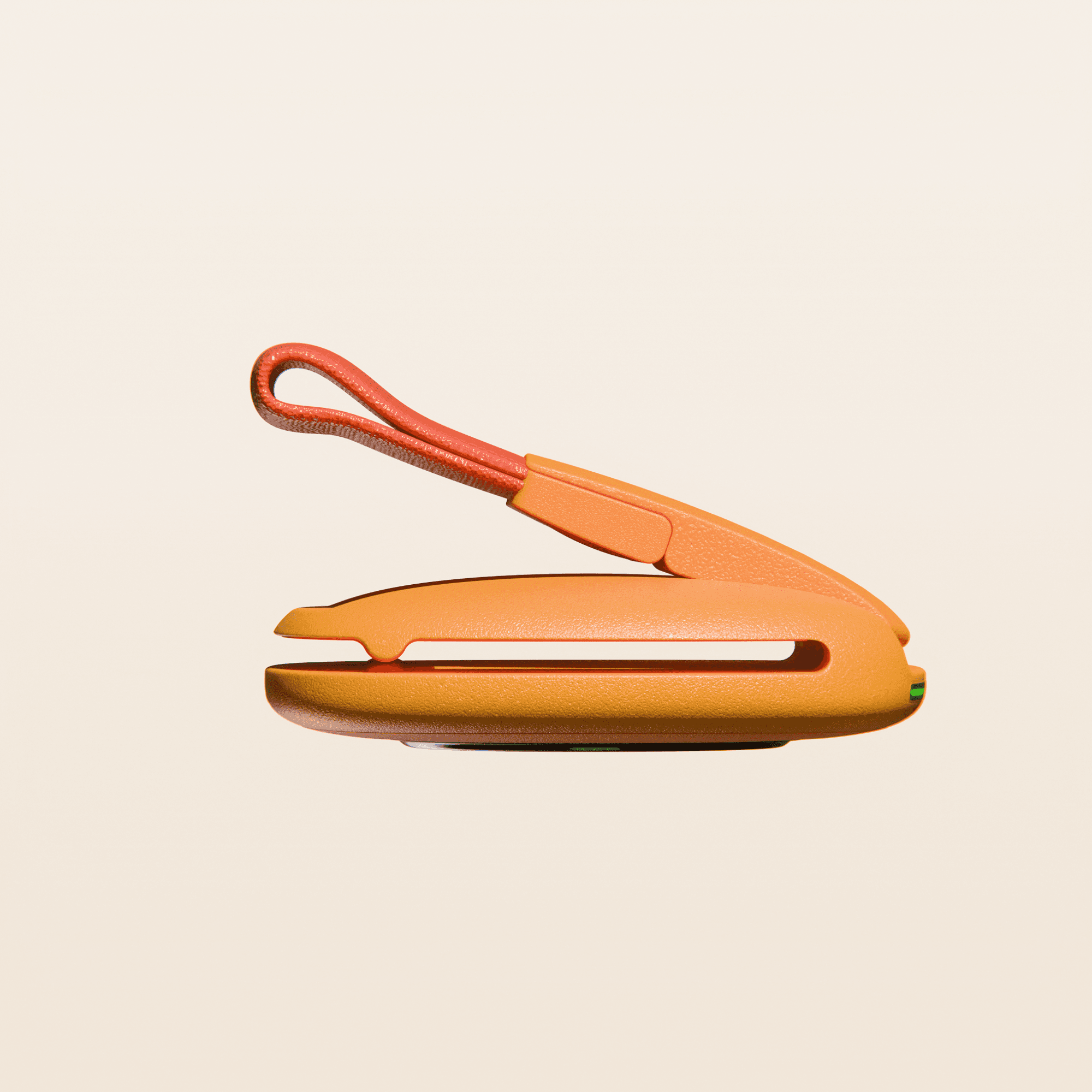
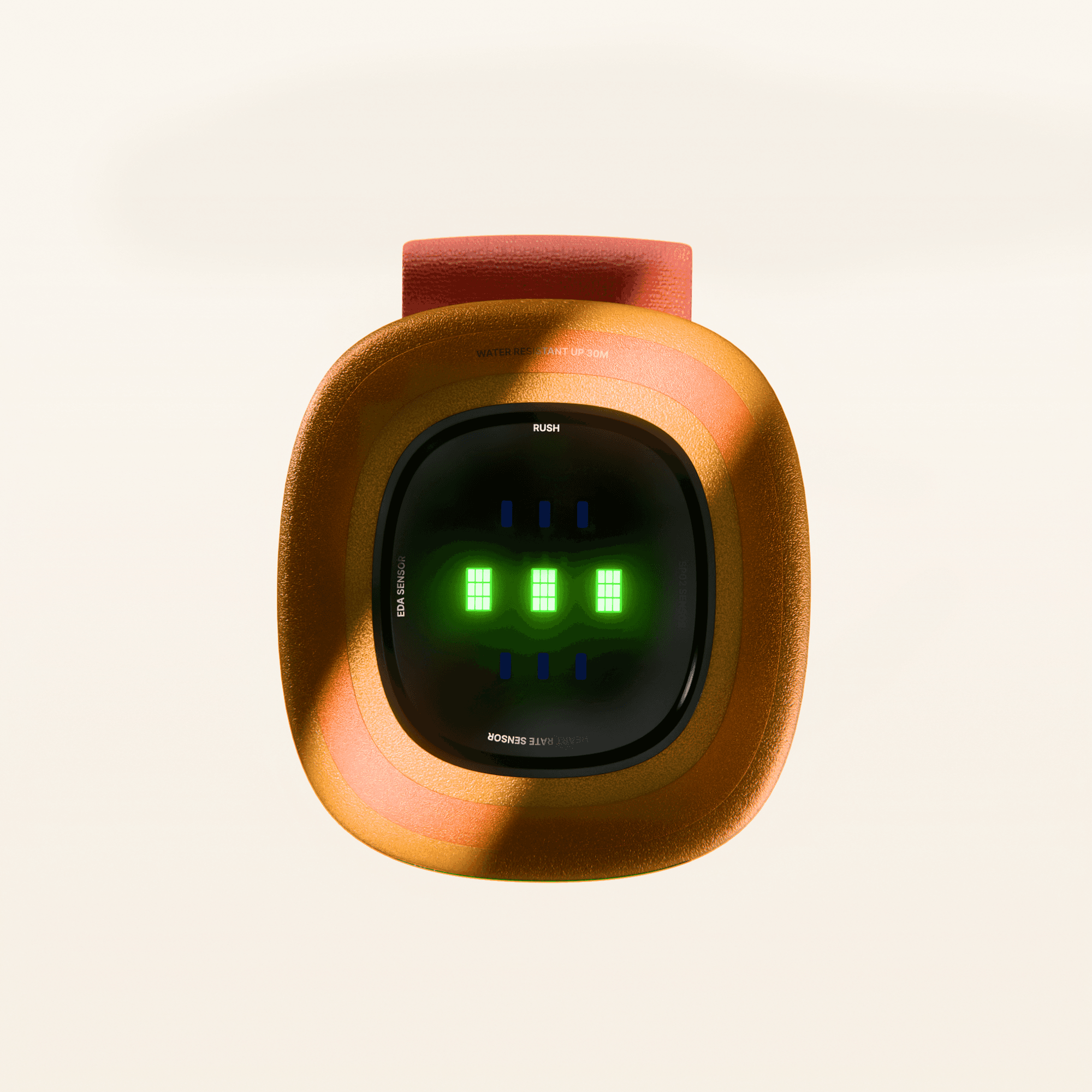
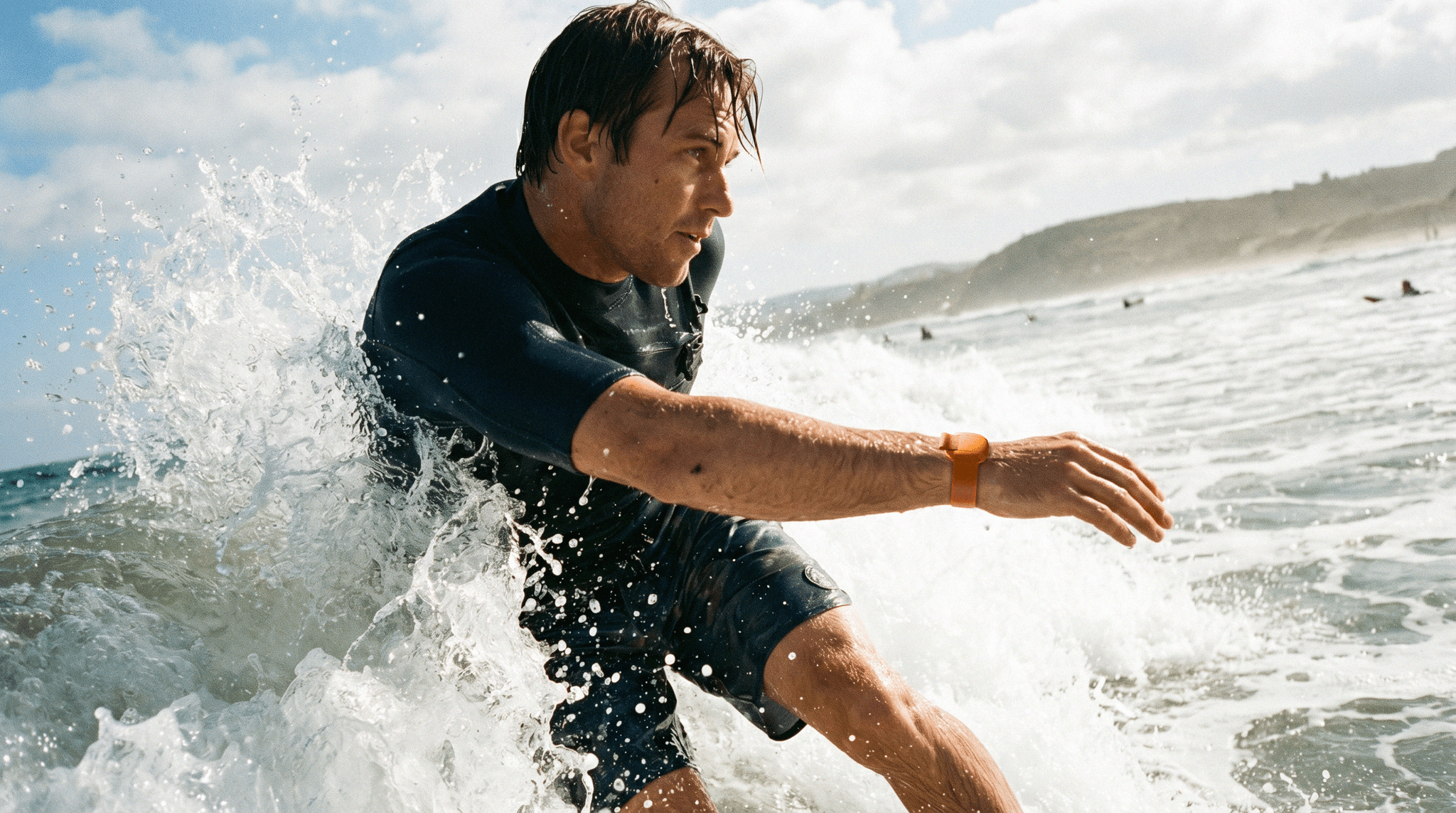
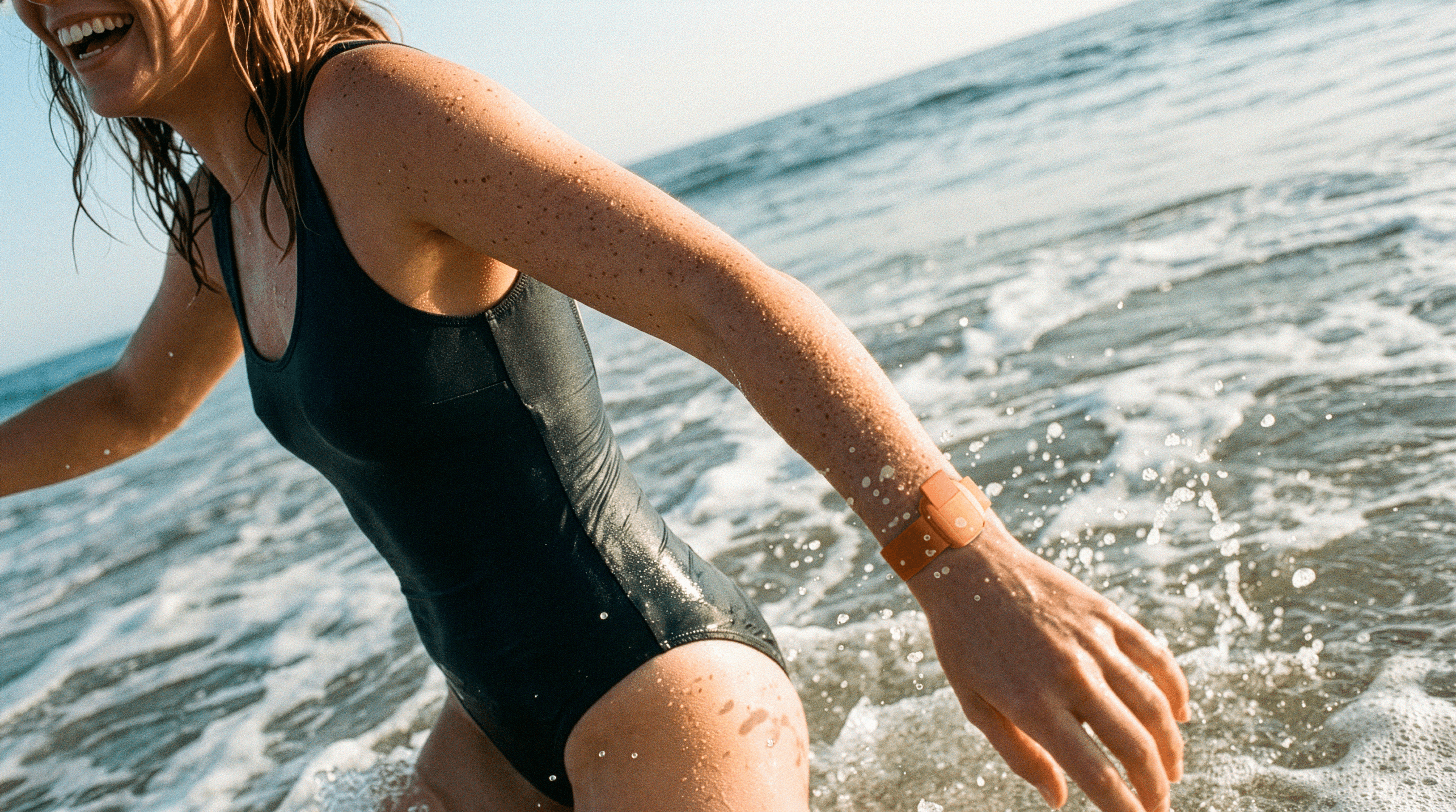
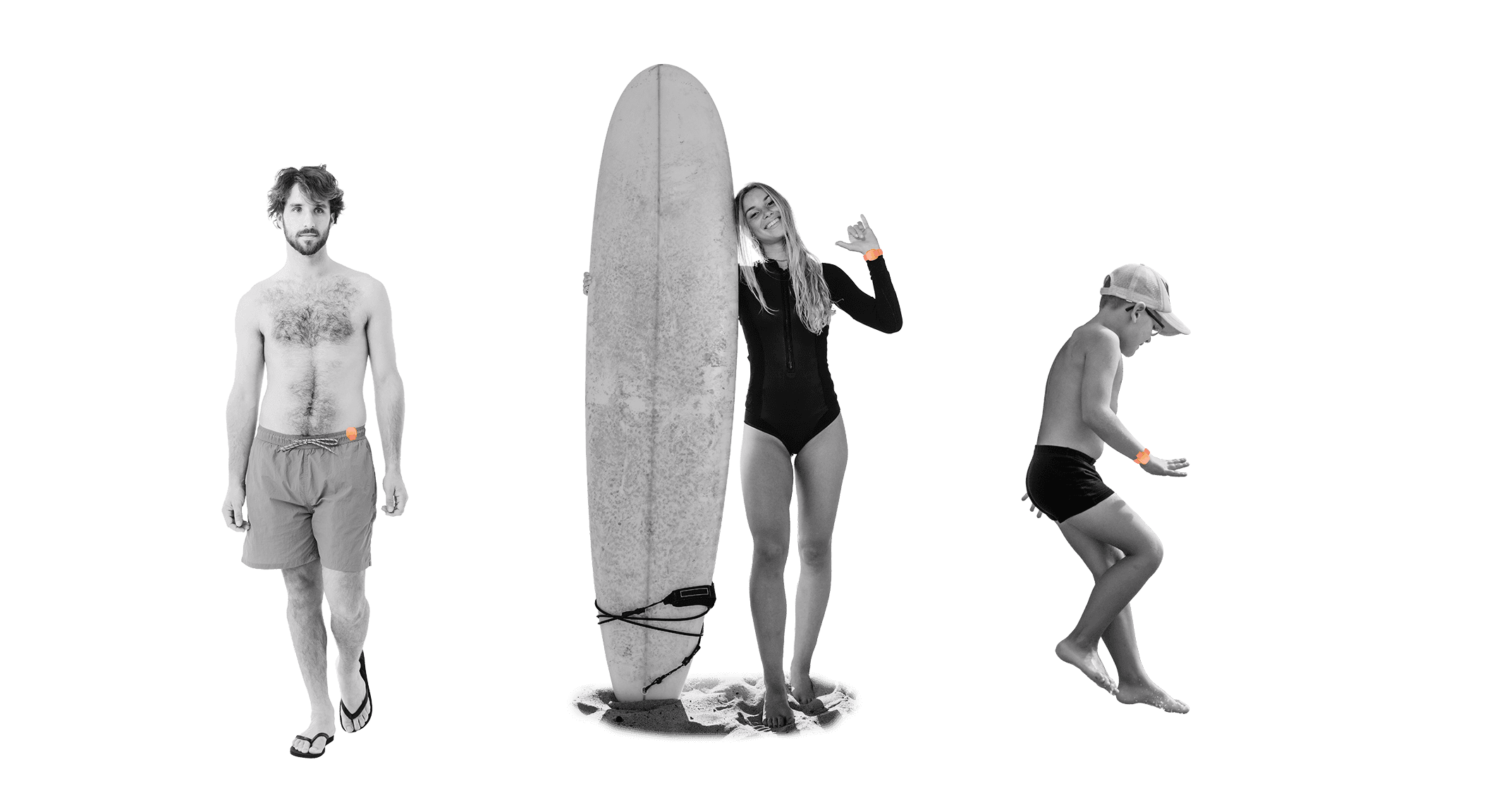
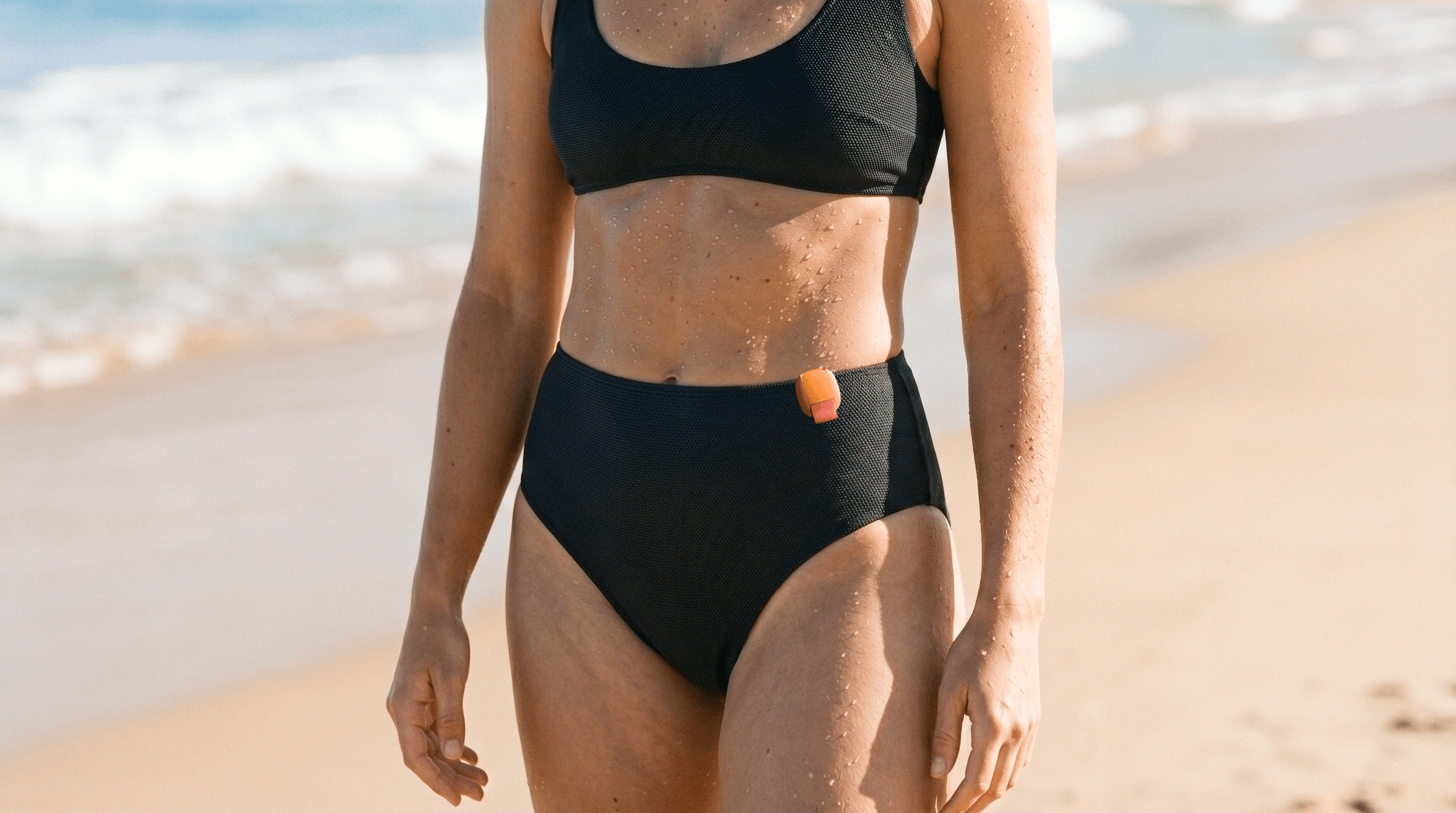
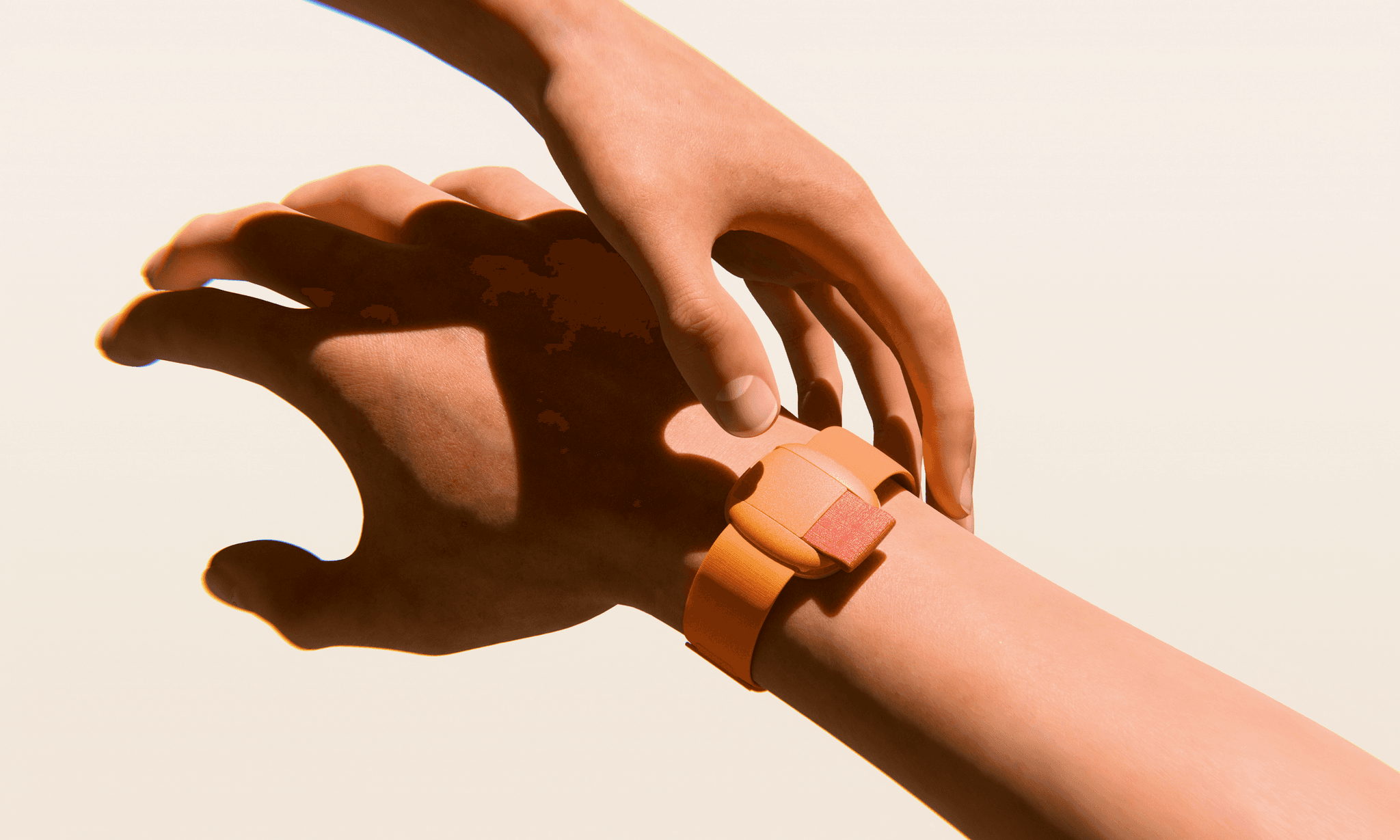
The Rush device can be worn as a clip or wrist strap. As a clip, it attaches securely to your swimsuit to keep the sensor in contact with your skin and the trigger unobstructed. The waterproof strap offers a comfortable, reliable option for aquatic activities.
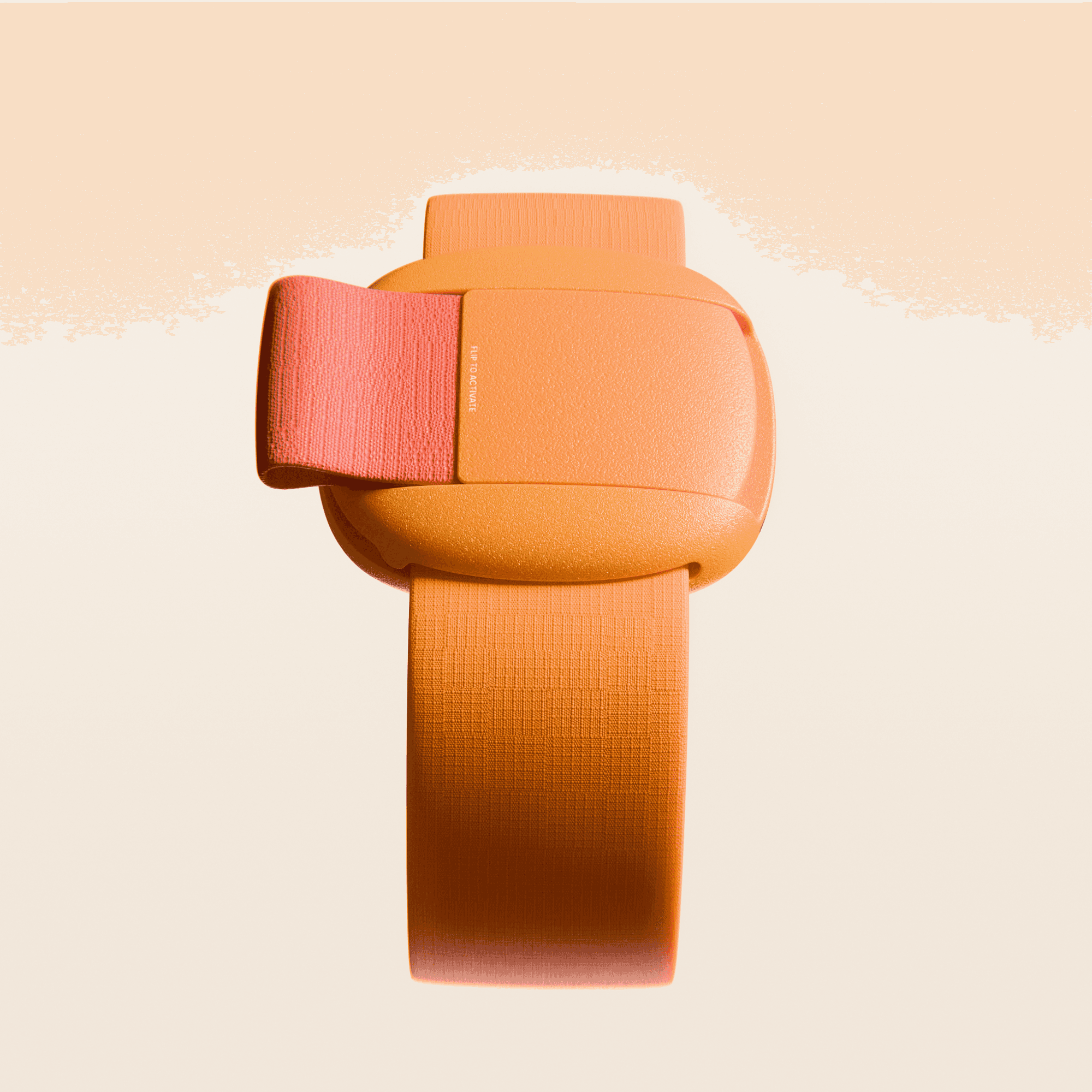
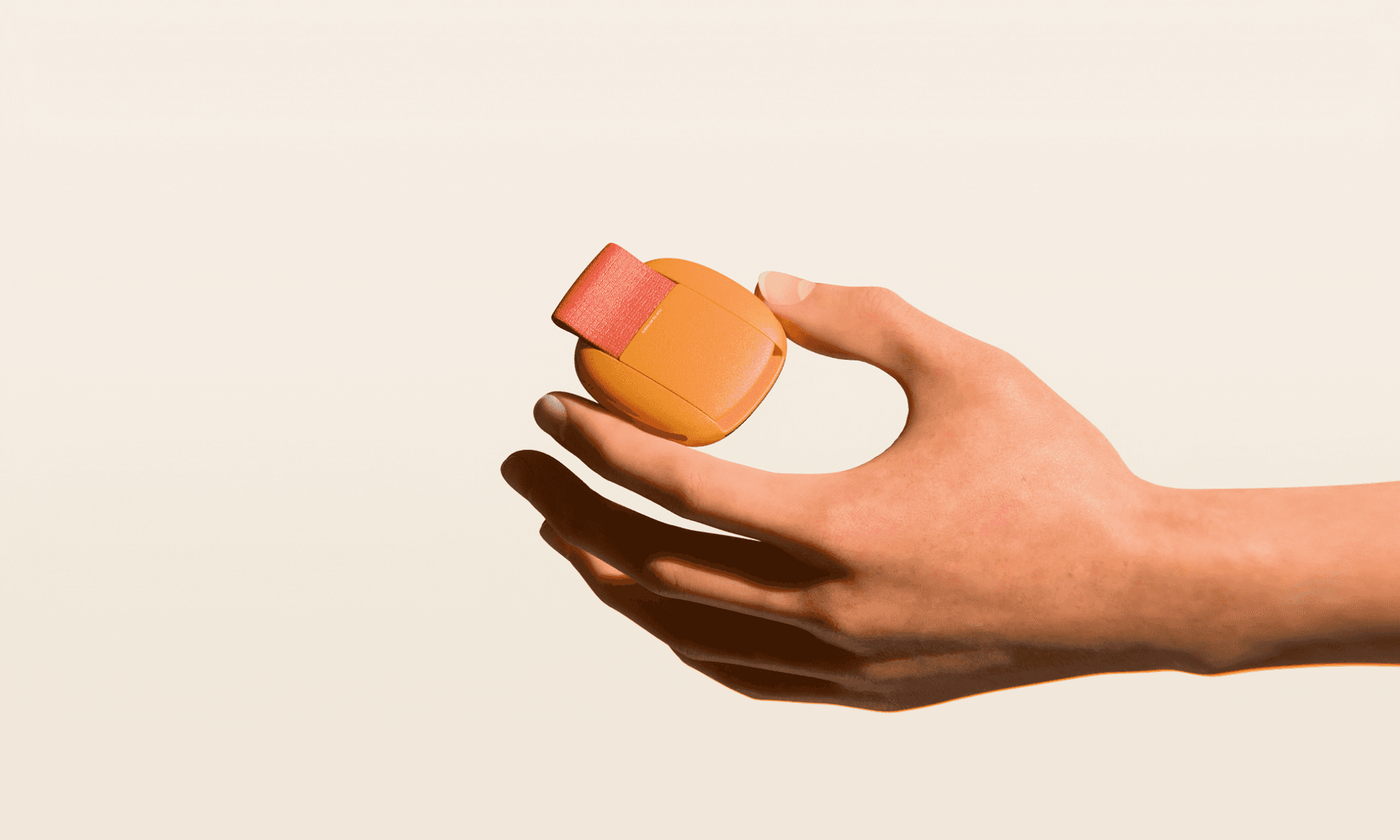
Manual mode Flipping the switch activates the distress signal after 10 seconds.
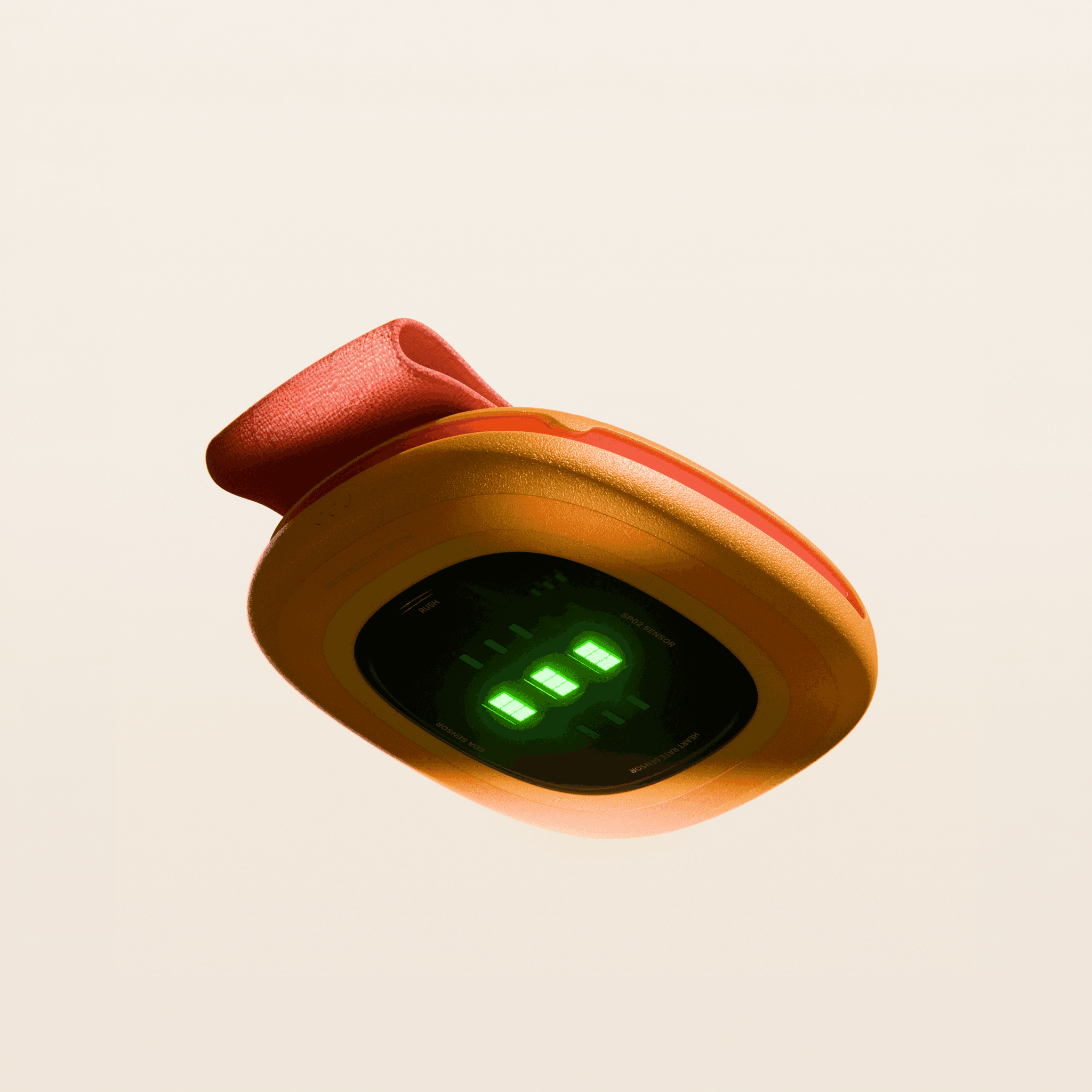
Automated mode Rush detects drowning by analyzing vital signs.